Blog / Blue Ribbon Chevrolet Service

Does Your Chevy Need New Headlights?

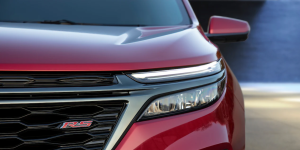
headlight on a 2022 Chevrolet Equinox
Your Chevy's headlights are vital components for safe and easy driving, especially at night and in low-visibility environments. Faulty headlights put you and other road users at a high risk of accidents. Failing headlights may also get you in trouble with the traffic officers, wherever you're driving to. Here are signs that tell you it's time to get new headlights from your trusted Chevy dealer.

1. Dim Headlights

Dim or faded headlights may be caused by dirty headlight covers. First, clean off the dirt or dust causing the problem, then check if enough light shines through. If the headlights still appear dim, it may be time to swap out the bulbs. Just like the bulbs of your house, headlights do wear out over time and need to be replaced.

2. Blown Fuses

If your car's headlights keep going out because you're having issues with blown fuses, it's time to head out to your qualified technician for a thorough inspection. It may be a wiring or electrical issue that can be easily fixed. Your technician should recommend replacing the whole headlight system to stop a recurrent headlight failure.

3. Hazy Headlights

One of the most common signs that you require fresh headlights is when your vehicle's lights are no longer bright as they used to be. Dirt, salt, and even UV rays may cause your vehicle's headlights to become yellow or otherwise hazy. We advise you to have them replaced by a professional technician. Not only will this help you have a safer and more comfortable ride, but it will also make your car look better.

4. High Beams Don't Work

Can you turn on your headlights just fine, but when it's time to turn on the high beams, nothing happens? A blown headlight bulb is the most common reason a single high beam headlight won't work. It could also be caused by wiring problems, a failing headlight switch, or a faulty high beam relay. Your local dealership technician has the necessary tools to examine the root cause of the beam problems and will help replace the worn-out bulbs with OEM headlights.

5. Flickering Headlights

Flickering headlights may be caused by several reasons. Your car might have a faulty alternator or a blown fuse that needs replacement. If the fuse is intact, you may have a damaged headlight harness connector or something as simple as a broken headlight switch. If you also observe a rapid flashing of your car's frontal or tail turn signal, this is a warning sign that your bulb is almost burning out and should be therefore replaced. Have it inspected as soon as possible to avoid more serious damages in the future. You deserve all the best your Chevy has to offer. Immediately you notice any of the above headlight issues, ensure to stop by Blue Ribbon Chevrolet. We have a wide collection of high-quality headlights and services for our customers. Our knowledgeable team will also help you find headlights that perfectly match your car.

Posted in:

Related Posts

Is Your Engine Misfiring? Visit Your Chevy Dealer Today

Has your car's engine started coughing and shuddering alarmingly while losing power? Does it seem like it's struggling and about to stall? If you're experiencing any of the indications of an engine misfiring laid out below, then it's wise to visit your local Chevy dealership without delay. If not resolved, a misfiring engine can rapidly lead to more serious problems. more Sputtering, Shaking Engine A misfire is when a spark plug inside one of the engine's cylinders fails to spark and ignite the fuel properly. The leading cause of misfiring is when a spark plug becomes worn out, broken, or fouled by carbon residue, although faulty ignition coils, fuel injectors, air filters, catalytic converters, and airflow sensors can also result in misfiring. Whatever the cause, as a misfiring spark plug fails to ignite the fuel-air mixture consistently, the engine shakes and sputters. This symptom will typically worsen when the car slows down and pauses in idle. Suddenly Stalling Engine At its worst, misfiring will cause the engine to stall. This means the spark plugs have failed to fire rapidly enough to keep the combustion process going, causing the engine to shut down. Stalling can occur at the most inopportune of moments, such as when pausing at traffic lights or before a busy intersection. Sometimes, the engine will even struggle to start up again. Thickening Exhaust Smoke When a cylinder misfires, the fuel being injected can start to build up inside the combustion chamber. This excess unburned fuel may eventually start leaking back into the exhaust system, where it can partially ignite, causing thick black smoke to emerge from the tailpipe. Reduced Engine Power While misfiring, the engine is no longer working at optimal efficiency. This means it's losing power. You're likely to find it harder to accelerate while overtaking other vehicles or coming out of a corner. Falling Fuel Economy Without all the fuel being properly used, a misfiring engine will lose fuel efficiency. As a result, you may notice that you're stopping at gas stations more frequently than usual. Check Engine Light Appears All the engine problems resulting from a misfiring cylinder will usually be picked up by the vehicle's sensors. You'll then see the check engine light appear on your dashboard. This warning light probably won't specify the exact problem, but if you notice any of the aforementioned symptoms at the same time, you can probably assume that misfiring is to blame. A trusted technician can help you to diagnose the underlying problem. Have your misfiring engine checked and repaired today by experienced professionals at Blue Ribbon Chevrolet. Our full-service dealership serves as a reliable one-stop shop for all your automobile purchasing and servicing needs.

Getting Preventative Maintenance at Your Chevy Dealership

​​​​​​​​​​​​​​​​​​​​Preventing a problem is cheaper, quicker, and less stressful than fixing a problem, and this is the purpose of preventative maintenance. Regular examinations of your Chevy's systems will keep them working efficiently and identify any potential issues that need to be fixed. As your Chevy dealership, we'd like to tell you more about some of the maintenance we can perform on your Chevy. more Tire Rotation Your tires suffer wear and tear as you drive. They also develop particular wear patterns depending on their position on your Chevy and whether you have FWD, RWD, or AWD. A FWD drivetrain will increase wear on the front tires, as the front carries most of the weight in your car, while the reverse is true in RWD vehicles. AWD vehicles produce a more equalized wear across the tires, but this is still affected by wheel balance and alignment. If your tires continue to wear in the same places, their lifespan will be greatly reduced. When we rotate your tires, we shift each tire to a different position on your car, depending on your drivetrain. This enables each tire to develop a relatively similar wear pattern so they all wear down at approximately the same rate. Tire replacement can be expensive, and a rotation can significantly delay the need for tire replacement. Oil Change Engine oil lubricates hundreds of different components, allowing them to slide rather than grind against each other. This reduces wear and tear on your engine. Oil also reduces the build-up of deposits that block the engine and cause problems. As time passes, engine oil becomes thicker and slows down. It also loses many of its special properties, for example, rust protection. Older oil contains dirt and other debris absorbed from the engine, which can block the oil filter and cause additional problems. When you visit us for an oil change, we test your oil, and then we drain it. We then replace the oil filter and refill the oil. Battery Check Up The battery has the crucial job of supplying the power to start your engine. The battery stores electricity, and when you hit the start button, the battery sends a powerful electrical charge to the starter. The starter powers up and cranks your engine. As the engine cranks, the combustion process starts and your Chevy will run under its own power. Over time, the battery will weaken as its chemicals slowly break down. A battery test will provide information on your battery's strengths and identify potential problems. We recommend a battery test each year, starting from your battery's third year. If the battery is weakening, we can replace it for you. We have many other services to keep your Chevy running perfectly. Call us today at Blue Ribbon Chevrolet.

How Long Has It Been Since Your Chevy's Last Oil Change?

Issues can start cropping up if you're late getting an oil change, so it's a good idea to create a regular schedule that you stick to. The mechanics at your Chevy dealership can help you determine how often you need to change your oil based on your driving habits, your car's make and model, and other relevant factors. more How Often Do You Need a Chevy Oil Change? Chevy vehicles need their oil and oil filter changed at least once a year, but your car might alert you that you should get yours changed sooner than expected. Modern Chevy cars of an oil life monitoring system, and when an alert pops up telling you that you need a change, then you should have your oil replaced sometime within the next 600 miles you drive. You should also consult your owner's manual to see if it suggests changing your oil more than once a year. When to Head to the Chevy Dealership to Change Your Oil ASAP When Your Oil Level Gets Low If your car doesn't have an oil life monitor built in, then you need to check your oil level manually. If the level gets low, then you need to head to the dealer to have the oil either topped up or totally changed out. When Your Oil Gets Dirty You should check the quality of your oil every couple of weeks to make sure it's still in good condition. When your oil needs to be replaced, it may be gritty, dark, or smell like it's burning. When Your Gas Mileage Suffers Reduce gas mileage is a symptom of many different problems with your car. Pay attention to how often you usually need to stop for gas, and visit the dealer if you're spending more time at the fuel pump. You might just need to replace your oil. When Your Engine Gets Noisier When your oil isn't lubricating your engine effectively, the engine may get louder. It may also make rattling or knocking sounds. When Your Engine Overheats Always keep an eye on your temperature gauge while driving. If it starts climbing, then you need to pull over and turn off the engine. Sometimes overheating can be caused by friction in your engine when the oil isn't lubricating the engine's parts enough. When Your Engine Stalls A stalling engine can be a sign that it's seizing up due to a lack of lubrication. However, stalling can also point to more serious issues, so you need to get the car thoroughly examined. Stop by Blue Ribbon Chevrolet so we can change your oil and prevent problems from occurring with your car. If you have any questions about how often you should be changing your oil, then feel free to ask them at your oil replacement appointment.